
PRIVATE ANGLING JOURNEYS
Luxury Fly Fishing in New Zealand
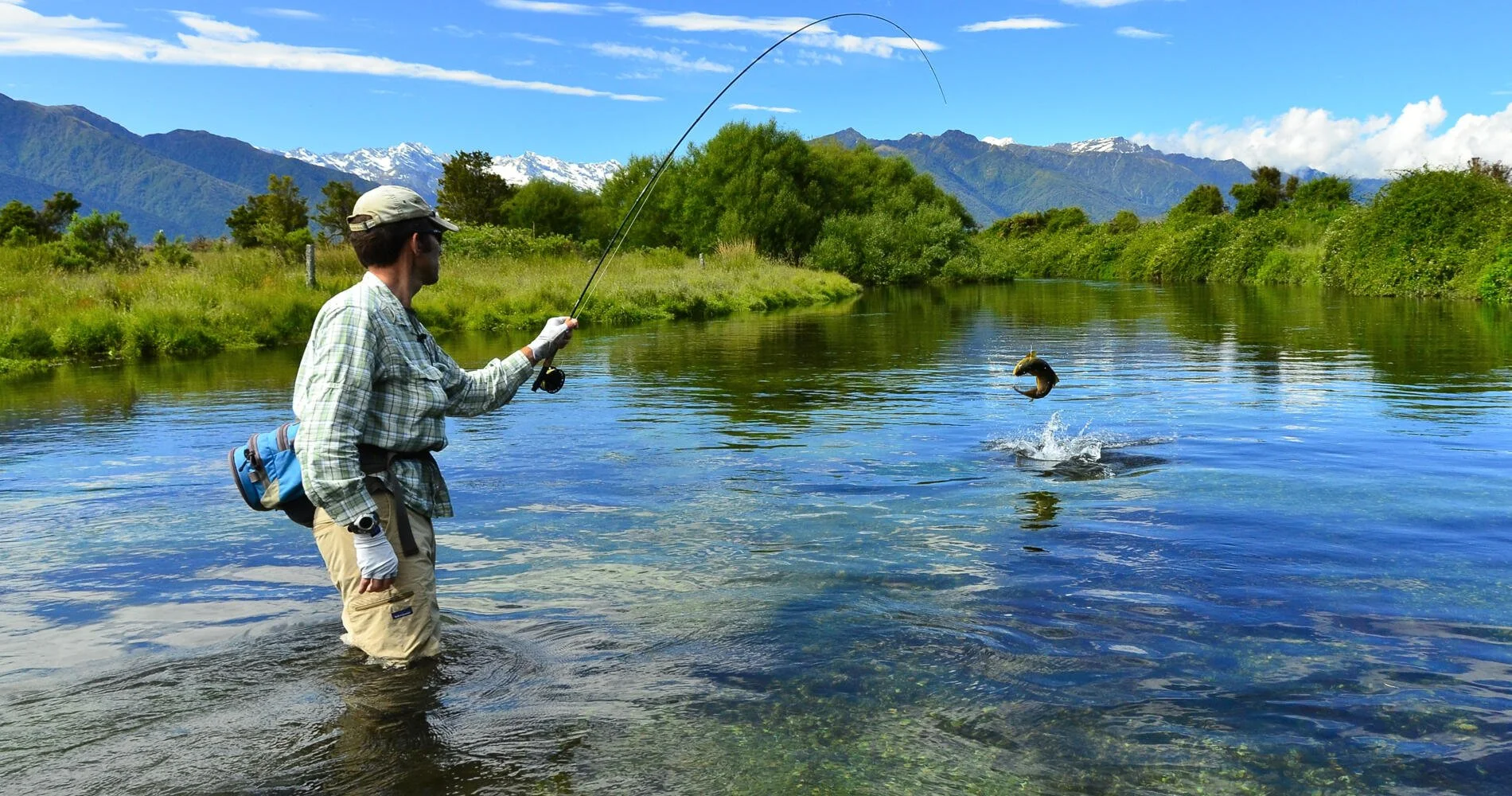
New Zealand’s clear rivers, remote wilderness and wild brown and rainbow trout have made it one of the world’s most sought-after fly-fishing destinations.
Whether you are an experienced angler planning a dedicated fishing journey or would simply like to spend one memorable day on the water, we can arrange expert private guides, carefully selected accommodation and seamless travel throughout New Zealand.
Queenstown-Based | TIA Member | 100% Pure New Zealand Specialist | Local Support
A Fly-Fishing Journey Designed Around You
There is no single way to experience fly fishing in New Zealand.
You may want to stay at a dedicated fishing lodge, include several guided days within a wider New Zealand itinerary or use a helicopter to reach remote backcountry water. You may be an experienced angler with your own equipment or a complete beginner wanting patient private tuition.
We shape each journey around:
Your fishing experience and preferred style
The regions and waterways suited to your travel dates
Walk-and-wade, lake, backcountry or heli-fishing
The number of dedicated fishing days
Your preferred accommodation
The interests of anyone travelling with you who does not fish
Weather flexibility and realistic travel times
Because river levels, weather and fish activity can change, we work with experienced local guides who select the most suitable water for the conditions on the day.
When Is the Best Time to Fly Fish in New Zealand?
The best time depends on the region and type of fishing you would like to experience. Seasons and permitted methods vary between individual waterways, so the regulations for each location must always be checked.
March and April
Early autumn can deliver rewarding fishing, with cooler temperatures and trout often in excellent condition after summer. Many seasonal rivers remain open, although exact closing dates vary.
May to September
Many backcountry and spawning waters are closed during winter. Fishing remains available in selected lakes, lower river reaches and the Taupō Fishing District, where winter runs can provide excellent opportunities.
We will recommend the right region and style of fishing for your dates rather than relying on a single nationwide season.
October and November
Spring marks the opening of many rivers and backcountry fisheries. Water levels can be higher and weather more changeable, but the countryside is fresh, the mountains may still hold snow and trout are actively feeding.
December to February
Summer brings long daylight hours and excellent opportunities for sight-fishing and dry-fly fishing. This is a popular time for visiting anglers, so sought-after guides and fishing lodges should be reserved well in advance.
North Island Fly Fishing
The North Island is particularly known for rainbow trout, volcanic landscapes, forest-lined rivers and the extensive fisheries surrounding Lake Taupō and Rotorua.
Lake Taupō and the Central Plateau
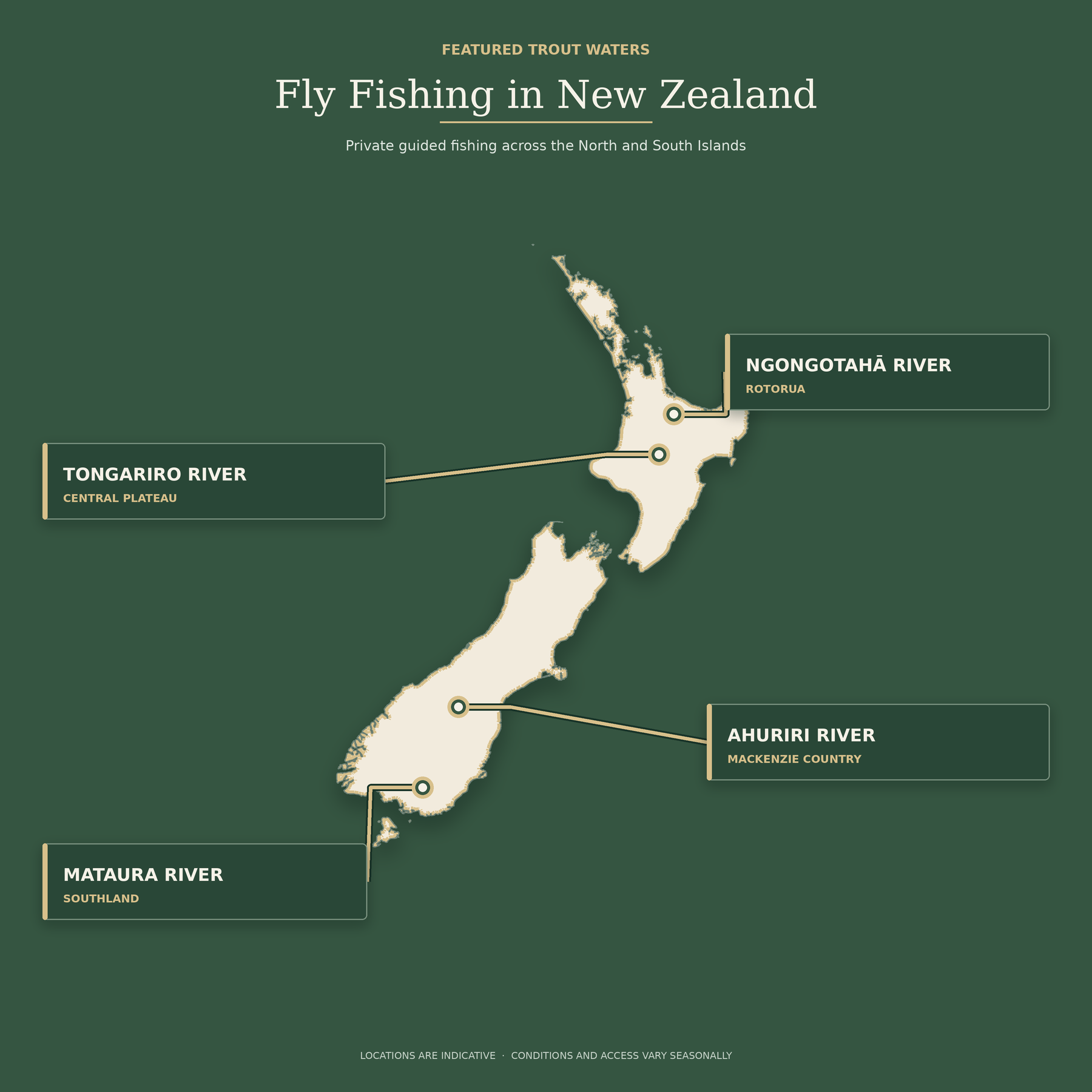
Lake Taupō, the Tongariro River and the surrounding Central Plateau form one of New Zealand’s best-known trout-fishing regions.
Depending on the season and conditions, anglers may fish river pools and runs, explore smaller tributaries or take a private helicopter into remote backcountry areas.
The region is suitable for both dedicated anglers and travellers wanting to combine fishing with geothermal landscapes, Māori culture, hiking and luxury lodge stays.
Fishing within the Taupō Fishing District requires a separate licence administered by the Department of Conservation.
Best suited to: Rainbow trout, river fishing, winter fishing and multi-day lodge stays.
Rotorua and the Central North Island
Rotorua provides access to spring-fed streams, forest waterways and productive lakes holding both brown and rainbow trout.
A private guide can select between river, lake and wilderness fishing according to your experience, seasonal conditions and preferred level of activity. The region also works well for couples or families wanting to combine fishing with geothermal attractions, wellness and Māori-led cultural experiences.
Best suited to: Beginners, experienced anglers, lake fishing and mixed-interest journeys.
Hawke’s Bay and the Eastern North Island
Hawke’s Bay offers access to river systems flowing from the ranges towards the coast. Guided days can be combined naturally with the region’s vineyards, acclaimed dining and luxury accommodation.
Some fishing locations require longer drives or private access, making a knowledgeable local guide especially valuable.
Best suited to: Travellers combining fly fishing with food, wine and private touring.
Nelson, Tasman and the West Coast
The upper South Island offers clear rivers, native forest and access to remote backcountry water. Nelson and Tasman make excellent bases for exploring several different river systems, while helicopter access can open opportunities farther into the wilderness.
The West Coast offers a more remote experience, with fishing conditions strongly influenced by rainfall.
Best suited to: Dedicated anglers, wilderness fishing and multi-day guided stays.
South Island Fly Fishing
The South Island is renowned for clear freestone rivers, high-country valleys and sight-fishing for wild brown trout. Fish numbers may be lower than in some overseas fisheries, but the experience is often about locating and carefully approaching individual trout in remarkable surroundings.
Canterbury, the Mackenzie Country and the Ahuriri Valley
Canterbury and the central South Island offer a mixture of spring creeks, braided river systems, alpine lakes and high-country waterways.
The Ahuriri Valley near Ōmarama is particularly well suited to travellers wanting fly fishing, dramatic landscapes and an exceptional lodge experience in one place.
Best suited to: Sight-fishing, high-country scenery and luxury lodge stays.
Queenstown, Wānaka and Glenorchy
Queenstown provides a convenient base for reaching lakes, rivers and backcountry areas across Otago and the Southern Alps.
Options may include a guided day by road, fishing around Wānaka or Glenorchy, or a private helicopter journey into remote water. Queenstown also offers plenty for non-fishing companions, including wine touring, hiking, golf, spas and scenic flights.
Best suited to: Luxury itineraries combining fishing with a wider range of experiences.
Southland and Fiordland
Southland and Fiordland offer extensive river systems, spring creeks and wilderness landscapes. The Mataura is particularly known for dry-fly fishing, while Te Anau provides access to waterways throughout Fiordland and northern Southland.
A stay in Te Anau can also be combined with Milford Sound, Doubtful Sound, hiking and private touring.
Best suited to: Dry-fly fishing, multi-day angling and uncrowded natural landscapes.
Ways to Experience New Zealand Fly Fishing
Private Walk-and-Wade Fishing
Spend a full or half day with a private guide exploring rivers and streams selected for the conditions. This can be adapted for beginners or experienced anglers.
Backcountry Fishing
Travel by private vehicle or 4WD into more remote areas. These days may involve longer drives, walking over uneven ground and a greater level of physical activity.
Heli-Fishing
Fly directly into remote valleys and waterways that would otherwise require lengthy overland travel.
Heli-fishing is always subject to suitable weather, aircraft availability, landing permissions and fishing conditions. We recommend keeping some flexibility within the itinerary in case plans need to change.
Lake Fishing
Lake fishing can be arranged from several North and South Island destinations. Depending on the location, this may involve fly fishing from the shoreline, wading or fishing from a private boat.
Private Fly-Fishing Tuition
First-time anglers can learn casting, reading the water, selecting flies and approaching fish with an experienced private guide. Equipment can usually be provided, making it easy to include fly fishing without purchasing or transporting specialist gear.
Exceptional Places to Stay
We select accommodation around the fishing experience, your preferred level of luxury and the interests of everyone travelling
Huka Lodge
TAUPŌ
Set beside the Waikato River, Huka Lodge has deep connections with New Zealand’s angling heritage and provides an exceptional base for privately guided fishing in the Taupō region.
Treetops Lodge & Estate
ROTORUA
A private wilderness estate offering access to guided fly fishing alongside forest walks, Māori cultural experiences, wellness and estate-to-plate dining.
Visit the Treetops fly-fishing website
Stonefly Lodge
NELSON TASMAN
Positioned near the Motueka River, Stonefly Lodge is especially suited to dedicated anglers wanting guided fishing across the upper South Island.
The Lindis
AHURIRI VALLEY
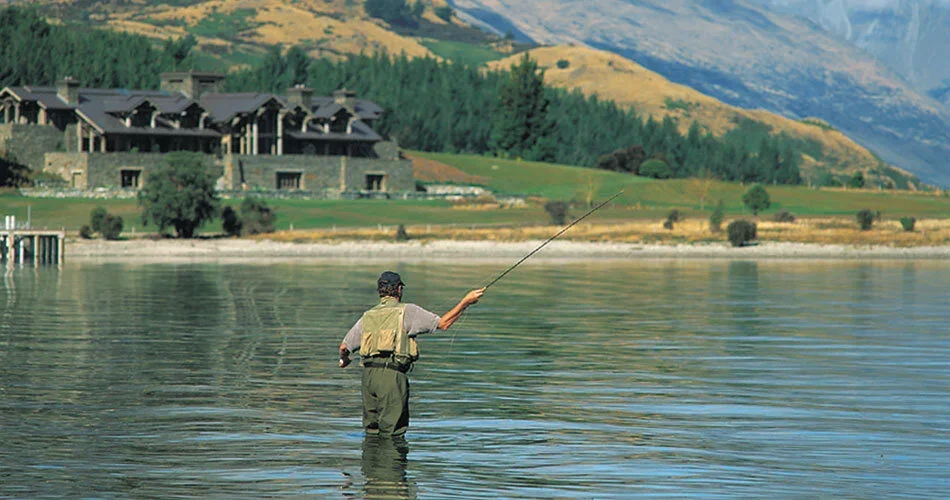
The Lindis combines high-country architecture, privacy and seasonal guided fly fishing on the Ahuriri River, only a short distance from the lodge.
Blanket Bay
GLENORCHY
Blanket Bay offers an alpine lodge experience near Queenstown, with private fly-fishing and heli-fishing experiences available in surrounding wilderness areas.
Visit the Blanket Bay fly-fishing website
Fiordland Lodge
TE ANAU
Fiordland Lodge provides access to rivers and streams across Fiordland and Southland while also creating an excellent base for exploring Milford and Doubtful Sounds.
Availability, fishing inclusions and seasonal operating dates vary between properties. We will recommend the accommodation that best matches your complete itinerary.
Travelling With Someone Who Does Not Fish?
A fly-fishing journey does not need to revolve entirely around angling.
While one guest spends the day with a guide, we can arrange private experiences for their travelling companion, such as:
Food and wine touring
Māori cultural experiences
Spa and wellness treatments
Scenic flights
Golf
Guided walks
Wildlife experiences
Private sightseeing
A relaxed day enjoying the lodge
We can then bring everyone together for selected experiences, meals and travel days.
Fishing Licences and Regulations
A current licence is required for freshwater sports fishing in New Zealand.
Most regions are administered by Fish & Game New Zealand. The Taupō Fishing District is managed separately by the Department of Conservation and requires its own licence.
Some designated or controlled fisheries may require an additional endorsement, permit or advance application. Fishing seasons, permitted methods, access rules and catch limits also vary between regions and individual waterways.
Your guide can help identify the licences required for your planned fishing days, but anglers remain responsible for following the applicable regulations.
Bringing Fishing Equipment Into New Zealand
You may bring your own fishing equipment, but New Zealand has strict biosecurity requirements.Any used fishing or outdoor equipment must be declared when you arrive. Rods, reels, flies, boots, waders, nets and other equipment should be completely clean and dry, with all soil, seeds and organic material removed.Felt-soled wading footwear must not be used in New Zealand freshwater.Many private guides can supply rods, reels, flies, waders and suitable footwear. We will confirm what is included before you travel so you know exactly what to bring.
Read New Zealand’s official arrival and biosecurity guidance
Responsible Fishing
New Zealand’s freshwater environments are precious and need to be treated carefully.
Catch-and-release fishing is common and may be encouraged or required on selected waterways. Your guide will explain the regulations and demonstrate appropriate fish-handling practices.
Access across private land must always be respected, and permission may be required. Local guides understand these arrangements and help ensure fishing takes place responsibly.
Let’s Plan Your New Zealand Fly-Fishing Journey
Tell us when you would like to travel, your level of fishing experience and how many days you would like to spend on the water.
We will recommend the right regions, private guides and accommodation, then bring the fishing together with the rest of your personalised New Zealand journey.